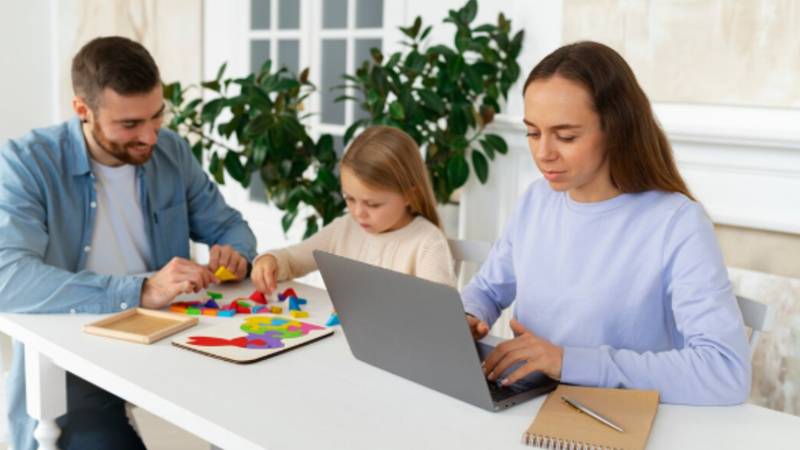
Parenting is a continuous learning journey. Children grow, their needs change, and parents also need to learn new ways to understand and support them. Good parenting is not about being perfect. It is about learning from daily experiences, understanding children’s feelings, and making better choices with time.
Parents often look for simple and useful information about child development, education, behavior, family life, routines, and emotional growth. Learning from well-organized parenting information can make everyday situations easier to handle. It can also help parents feel more confident when facing new challenges.
The idea behind learn archives famousparenting is connected with finding useful parenting information and learning from different topics and experiences. Parenting archives can be helpful because they bring together information that parents may need at different stages of their child’s life.
Why Learning Is Important in Parenting
Every child is different. A method that works for one child may not work in exactly the same way for another. This is why parents need to observe, understand, and learn instead of following one fixed method.
Learning helps parents understand why children behave in certain ways. For example, a child may become upset because of tiredness, hunger, fear, frustration, or difficulty expressing feelings. Instead of reacting immediately with anger, parents can try to understand the reason behind the behavior.
Parents can also learn how to create healthy routines, encourage good habits, communicate clearly, and support their child’s confidence. Small changes in parenting can make a big difference in family life.
Understanding Parenting Archives
Parenting archives can be viewed as a collection of information covering different parenting subjects. These subjects may include child behavior, education, health habits, family activities, parenting tips, emotional development, and daily routines.
Archives are useful because parents may need different information at different times. A parent with a baby may be interested in baby care, while a parent of a school-going child may need information about study habits, homework, friendships, or screen time.
Having information organized by topic makes learning easier. Parents can focus on the subject that matches their current situation instead of trying to read everything at once.
Learn Archives FamousParenting for Everyday Parenting
Parents do not need complicated methods to become better parents. Many useful lessons come from simple daily activities.
For example, parents can teach children responsibility by asking them to put away their toys, organize their school bags, or help with small household tasks. These activities teach independence without putting too much pressure on the child.
Another important lesson is communication. Parents can create time for children to talk about their day. Asking simple questions and listening carefully can help children feel valued and understood.
The goal of learn archives famousparenting can be approached as a learning process where parents explore useful ideas and apply the ones that fit their family situation.
Building a Healthy Daily Routine
Children usually benefit from a predictable daily routine. A routine can include waking up, getting ready for school, eating meals, studying, playing, spending family time, and going to bed.
A simple routine helps children know what to expect. It can also reduce arguments about everyday tasks because children become familiar with the order of activities.
Parents should keep routines realistic. A schedule that is too strict may create unnecessary stress. It is better to create a balanced routine that includes responsibilities as well as free time.
Children also need enough time to play and relax. Play is not a waste of time. It can support creativity, communication, confidence, and social skills.
Helping Children Develop Good Habits
Good habits are usually developed through repetition. Parents can encourage children to wash their hands, brush their teeth, keep their belongings organized, eat balanced meals, and follow a healthy sleep routine.
Parents should explain why a habit is important instead of simply giving commands. When children understand the reason behind a rule, they may be more willing to follow it.
Praise can also encourage positive behavior. When a child completes a task or shows responsibility, simple appreciation can make the child feel proud and motivated.
Parents do not need to praise every small action. Genuine and specific appreciation is often more helpful, such as telling a child that they did a good job putting their things away.
Supporting Emotional Development
Children experience many emotions, but they may not always know how to express them. They can become angry, sad, worried, jealous, or frustrated.
Parents can help by listening calmly and giving children a safe space to talk. Saying things like “I understand that you are upset” can help a child feel heard.
This does not mean that every behavior should be accepted. Parents can recognize the child’s feelings while still explaining which actions are not acceptable.
For example, a child can be told that feeling angry is okay, but hitting another person is not okay. This approach teaches children how to manage emotions while understanding boundaries.
Positive Parenting and Discipline
Discipline is an important part of raising children, but discipline does not have to mean shouting or physical punishment.
Positive discipline focuses on teaching children what they should do instead of only telling them what they did wrong. Clear rules, consistent consequences, choices, and calm communication can help children learn.
Parents should try to avoid humiliating or comparing children. Statements that make children feel less capable can affect their confidence.
Instead, parents can focus on the behavior and explain how it can be improved. This gives children an opportunity to learn from mistakes.
The Role of Parents in Education
Education is not limited to school. Parents can support learning at home through everyday activities.
Reading together, asking questions, discussing new ideas, helping with homework, and encouraging curiosity can make learning more enjoyable.
Parents should not put unnecessary pressure on children to always get perfect grades. Learning is more than marks. Children also need problem-solving skills, creativity, communication, confidence, and the ability to handle mistakes.
A supportive home environment can make children more comfortable when they face academic difficulties.
Managing Screen Time
Screens are now a normal part of many children’s lives. Children may use phones, tablets, computers, or televisions for education and entertainment.
The important thing is balance. Parents can create clear screen-time rules and encourage children to take breaks.
Outdoor play, reading, family conversations, creative activities, and hobbies should also have space in a child’s day.
Parents can explain why limits are needed instead of making screen rules feel like punishment. Consistency is important because changing the rules every day can create confusion.
Spending Quality Family Time
Busy family schedules can make it difficult to spend time together. However, quality time does not always require a special trip or expensive activity.
Families can eat a meal together, play a simple game, take a walk, read a book, cook together, or talk before bedtime.
During family time, parents can try to give children their full attention. Even a short period of meaningful interaction can help strengthen family relationships.
Children often remember simple moments when they felt loved, listened to, and included.
Learning From Parenting Mistakes
No parent makes the right decision every time. Mistakes are a natural part of parenting.
A parent may lose patience, misunderstand a situation, or use a method that does not work. Instead of feeling guilty forever, parents can think about what happened and what could be done differently next time.
This attitude also teaches children an important lesson. Parents can show that making a mistake does not mean a person has failed. What matters is learning and trying again.
Parents can apologize when necessary. A simple and honest apology can show children that taking responsibility is a strength.
Encouraging Independence
As children grow, they need opportunities to do things on their own. Parents can slowly give children age-appropriate responsibilities.
Young children may help organize toys. Older children may prepare their school bags, manage simple tasks, or help with household responsibilities.
Giving choices can also support independence. Instead of controlling every small decision, parents can offer two suitable options.
For example, a child may choose between two outfits or decide whether to complete homework before or after a short break. Small choices help children develop decision-making skills.
Learning Together as a Family
Parenting becomes easier when learning is treated as a family process. Parents can learn from their children just as children learn from parents.
A child may have a different opinion, interest, or way of solving a problem. Listening to these ideas can help parents understand the child better.
Families can also learn through shared activities. Cooking can teach basic skills, gardening can teach responsibility, and reading can encourage imagination.
These experiences do not need to be complicated. Regular family activities can become valuable learning opportunities.
Why Parents Should Keep Learning
Children change as they grow. Their questions, emotions, responsibilities, and social experiences also change.
A parenting method that worked during early childhood may need to be adjusted when the child becomes older. Teenagers, for example, may need more independence and respectful communication.
This is why parenting education should be an ongoing process. Parents can read, observe, ask questions, discuss experiences, and reflect on what works best for their family.
The purpose is not to follow every parenting trend. Instead, parents can collect useful knowledge and make thoughtful decisions.
Creating a Calm Home Environment
The home environment has an important effect on children. Constant shouting, arguments, and stress can make children feel uncomfortable.
Parents cannot control every situation, but they can work toward creating a calmer environment. Speaking respectfully, listening to each other, and solving problems without unnecessary anger can help.
Parents should also remember that their own well-being matters. Rest, personal time, healthy meals, and support from family members can help parents manage daily responsibilities more effectively.
A parent does not need to sacrifice every personal need to be a good parent. A balanced parent is often better able to provide patience and emotional support.
Simple Ways to Continue Learning
Parents can make learning part of their normal routine. They can spend a few minutes reading about a parenting topic, discuss experiences with trusted people, or reflect on what worked during the day.
Keeping notes about useful ideas can also help. Parents may write down routines, activities, questions, or situations they want to handle differently.
The important thing is to avoid information overload. Parents do not need to follow every piece of advice they see. They should consider the child’s age, personality, family situation, and needs before applying a new idea.
Conclusion
Parenting is a journey of learning, patience, and growth. Children need love, guidance, boundaries, attention, and opportunities to become independent.
Learn archives famousparenting represents the value of exploring useful parenting information and learning from different stages of family life. The most helpful approach is to take simple ideas, understand them, and use what genuinely fits your family.
There is no perfect parent or perfect child. What matters is continuing to learn, communicate with love, correct mistakes, and build a supportive environment where children can grow with confidence. See more